Introduction
When it concerns hardwood flooring, many property owners focus on aesthetic charm, toughness, and price. Nevertheless, one important aspect that frequently gets ignored is climate Yes, the environment where you live can substantially influence your wood flooring setup and its durability. Whether you're thinking about a brand-new setup or a hardwood flooring redecorate, https://www.hernandezhardwoodfloor.com/ comprehending how climate impacts wood is crucial for making informed decisions.
Imagine investing in a stunning oak flooring only to locate it warping or fracturing due to changes in moisture. It's a headache scenario for any type of house owner! In this article, we'll delve into the basics of exactly how climate affects not just the installation process but likewise the life-span of your hardwood floorings. So get hold of a mug of coffee and resolve in; we have a great deal to cover!
How Climate Influences Your Wood Floor Setup and Longevity
Climate includes numerous factors such as temperature, humidity, and total weather. Each of these plays an integral role in determining how well your hardwood floors will certainly perform over time.
Understanding Timber as an All-natural Material
Wood is hygroscopic, indicating it takes in wetness from the air. This characteristic impacts its shapes and size. High moisture can create timber to swell, while reduced moisture might result in shrinkage.
The Significance of Acclimatization
Before installing hardwood floors, it's vital to acclimatize the timber to your home's climate. This procedure commonly takes around 5-7 days.
Temperature Examine: Make sure that the room temperature is around 60-80 ° F. Humidity Levels: Suitable family member moisture need to be in between 30% - 50%. Air Blood circulation: Good air movement aids accelerate acclimatization.The Influence of Humidity on Wood Floors
High Humidity: The Swelling Woes
When humidity levels rise above 50%, wood can absorb excess moisture resulting in:
- Swelling: Boards might broaden and fit snugly together. Buckling: Extreme situations may create slabs to lift from the subfloor.
This might compromise both aesthetic appeals and functionality.
Low Moisture: The Shrinkage Struggle
On the other side, when humidity dips below 30%, you might encounter:
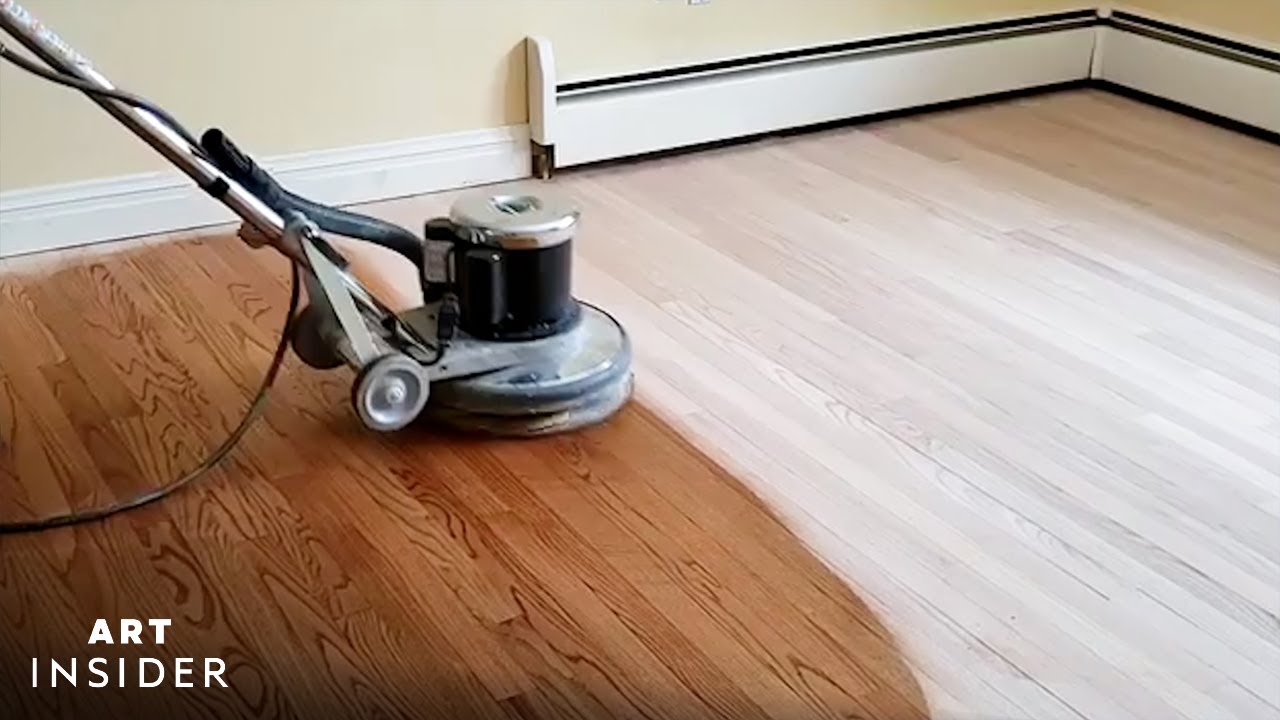
- Gaps Between Boards: As timber diminishes, areas form between planks. Cracking: Extended direct exposure might even lead to splits in the wood.
Both high and low humidity can necessitate a costly hardwood floor refinish.
Temperature Extremes: Warm vs Cold
Extreme temperature levels can likewise damage your wood floors.
Hot Climate Effects
During hot months:
- Wood may broaden more than usual. The sticky used throughout installation could weaken.
It's vital to think about seasonal changes when preparing your setup timeline.
Cold Weather condition Consequences
Conversely:
- Cold air holds less moisture. Wood agreements resulting in gaps or splits.
Seasonal Considerations for Installment Timing
Choosing the best season for installment can mitigate some climate-related issues.
Spring and Loss: Suitable Seasons for Installation
These transitional seasons often give modest temperatures that contribute for acclimatization:
Reduced threat of severe swelling or shrinking. Balanced moisture degrees make it simpler for wood to adjust.Summer Installments: Risks Involved
If summertime is your only choice:
- Be prepared for high moisture which can cause complications.
Consider using dehumidifiers throughout this time!
Geographical Impact: Coastal vs Inland Areas
Location matters! Coastal locations with high moisture impact wood in different ways contrasted to inland regions understood for their completely dry climates.
Coastal Locations: A Humidity Challenge
In coastal areas:
- Constant exposure to dampness increases swelling risks.
To neutralize this:
- Use engineered wood items made for damp environments.
Inland Locations: A Dry Dilemma
In drier climates:
- You're more probable to see spaces develop.
A humidifier could be required during winter season when indoor heating reduces moisture levels significantly.
Types of Wood Flooring: Which Functions Best?
Not all hardwoods are developed equivalent! Some types are better suited for particular climates than others.
Solid Hardwood vs Engineered Hardwood
Solid Hardwood:- More vulnerable to changes in humidity. Best matched for secure climates.
- Composed of layers making it more resistant. A superb choice for changing environments!
Installation Methods: Pin down vs Floating Floors
How you set up likewise plays a role in long life influenced by climate conditions.
Nail Down Technique: Pros & Cons
While this technique provides a solid bond with subfloors,
- It's vulnerable during considerable temperature level fluctuations.
Proper acclimatization comes to be paramount here!
Floating Floorings: Adaptability Matters
Floating setups enable boards to "float" over underlayment which accommodates all-natural activity brought on by weather adjustments-- perfect for homes in variable climates!
Maintenance Tips Based upon Climate Conditions
Once your floors are mounted, preserving them according to your climate is necessary for longevity.
Humidity Management Techniques
Use dehumidifiers in wet seasons. Keep interior plants at bay that release excess moisture!Protecting Against Temperature Extremes
Seal spaces around doors and windows effectively! Utilize rugs or mats at entrances during seasonal transitions!FAQs
Q1: What's the most effective environment for mounting strong hardwood floors?
A1: Ideally, solid wood thrives in secure climates without excessive moisture or temperature fluctuations-- normally temperate regions work best!
Q2: Can I set up wood floor covering myself?
A2: While do it yourself setups are feasible, it's best left to professionals that understand acclimatization procedures much better if you reside in variable climates!
Q3: Just how often should I refinish my hardwood floors?
A3: Depending on damage-- commonly every 5-- 7 years, yet this differs based on foot traffic and upkeep routines!
Q4: Does using area rugs help with climate control?
A4: Absolutely! They insulate against cold air drafts while including heat throughout winter season-- fantastic preventative procedures versus damage!
Q5: Should I make use of special adhesives in damp areas?
A5: Yes! Opting for moisture-resistant adhesives can improve stability under moist conditions-- wise option indeed!
Q6: Just how do I understand if my floors need refinishing?
A6: Watch out for scratches, dullness or noticeable wear patterns; these generally show that it's time for focus-- don't leave them unattended also long!
Conclusion
Understanding how climate affects your hardwood flooring installation and durability is extremely important if you desire those lovely planks gracing your home lasting! By bearing in mind variables like temperature swings and humidity levels-- and choosing appropriate materials-- you can make sure that your financial investment stands the examination of time while looking magnificent throughout its life cycle!
So whether you're contemplating an upcoming task or just interested regarding boosting existing floors through refinishing strategies-- maintaining these insights regarding climate impact top-of-mind will undoubtedly offer you well down the road!